
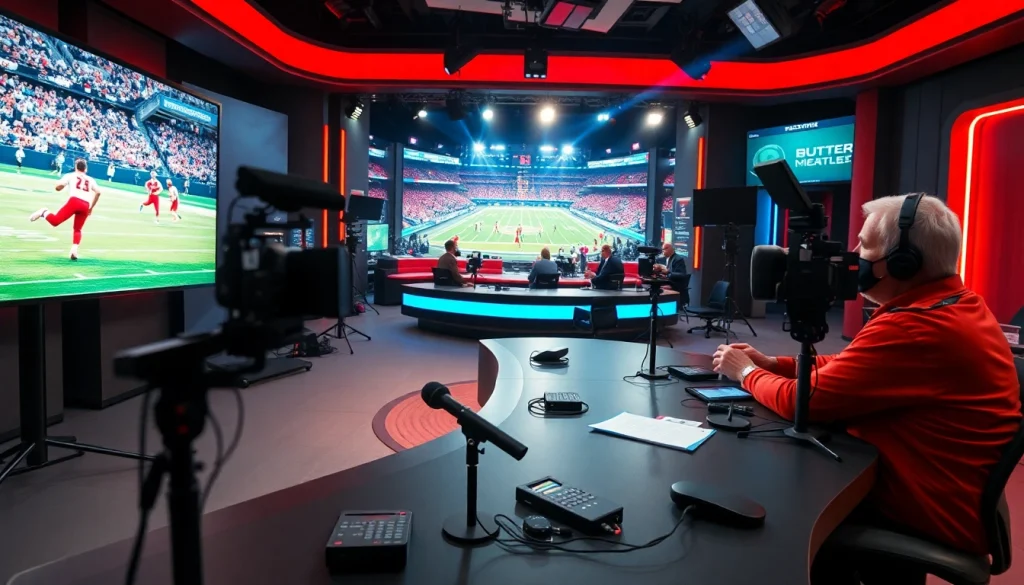
Understanding Sports Broadcasting
Definition and Importance
Sports broadcasting encompasses the dissemination of sports-related content to audiences via various media platforms. This field plays a crucial role in the sports industry, elevating the visibility of events, athletes, and teams. The significance of sports broadcasting lies in its ability to connect fans with live events, create compelling narratives, and foster community engagement. In today’s world, where global connectivity is paramount, engaging in Sports Broadcasting not only entertains but also informs and inspires audiences.
Key Roles in Broadcasting
Several key roles contribute to the successful operation of sports broadcasting. These include:
- Producers: Oversee the overall production, ensuring smooth transitions and cohesive storytelling.
- Commentators: Provide live commentary that enhances the viewer experience through insights and excitement.
- Cameramen and Technical Crew: Capture high-quality visuals and audio, crucial for conveying the thrill of the game.
- Analysts: Offer expert views and in-depth analysis post-game, enriching viewer understanding.
- Graphic Designers: Create visual elements like graphics and overlays that inform and engage viewers during broadcasts.
Historical Evolution of Sports Broadcasting
The roots of sports broadcasting can be traced back to the early 20th century, beginning with radio broadcasts of baseball games. As technology advanced, television became the primary medium for sports events, revolutionizing how fans consumed sports. The introduction of cable networks in the 1980s allowed for dedicated sports channels, leading to an explosion in sports content availability. Today, the digital age has transformed the landscape once more, as streaming services and social media platforms provide innovative ways for fans to engage with live events.
Methods and Technologies in Sports Broadcasting
Traditional vs. Modern Techniques
Traditional sports broadcasting primarily relied on terrestrial transmission methods, which included radio and analog television. These platforms offered limited access and required geographic proximity to the broadcasting signal. In contrast, modern techniques utilize digital streaming, satellite communications, and mobile apps. These advancements enable fans to watch games live on various devices, irrespective of their location, thereby increasing accessibility and audience reach.
Impact of Digital Media
Digital media has dramatically reshaped sports broadcasting by empowering fans with on-demand content and increased interaction. Streaming platforms allow viewers to watch games live or relive them later, while social media offers real-time updates, highlights, and fan engagement opportunities. Furthermore, digital media enables broadcasters to personalize content, tailoring delivery to meet audience preferences and habits. This shift from passive consumption to interactive experiences has transformed the relationship between broadcasters, teams, and fans.
Emerging Technologies in Sports Broadcasting
Emerging technologies are set to redefine sports broadcasting even further. Innovations such as augmented reality (AR) and virtual reality (VR) are beginning to change how fans engage with sports. For instance, AR can enhance viewer experiences by overlaying information on live broadcasts, providing statistical insights in real time. Similarly, VR offers immersive experiences, allowing fans to feel as if they are part of the event itself. Additionally, 5G technology will support high-definition streaming and faster data transmission, making it easier than ever to deliver live sports content.
Engaging Your Audience
Creating Compelling Content
Compelling content is a cornerstone of effective sports broadcasting. It involves not only high-quality visuals and sound but also telling stories that resonate with audiences. Broadcasters should strive to create narratives that highlight the drama of sports, the achievements of athletes, and the significance of events. Producing behind-the-scenes content, player interviews, and human interest stories can enrich the viewing experience, creating a deeper connection with fans.
Understanding Fan Engagement
Understanding fans’ preferences and behaviors is fundamental to successful sports broadcasting. Engaging audiences goes beyond merely broadcasting games; it involves fostering a vibrant community. Utilizing surveys, social media feedback, and analytics can help broadcasters understand what fans care about most. Building interactive platforms where fans can participate through polls, contests, and discussions enhances their connection to the teams and events they love.
Utilizing Social Media
Social media serves as a powerful tool for sports broadcasters to engage audiences in real time. Platforms like Twitter, Instagram, and TikTok allow broadcasters to share quick updates, highlights, and interactive content that resonate with fans. By strategically using these platforms, broadcasters can create buzz around events, drive viewership, and encourage organic sharing of content. Creating shareable clips, graphics, and utilizing trending hashtags can significantly increase audience reach.
Challenges in Sports Broadcasting
Technical Difficulties
Technical difficulties are an inevitable challenge in sports broadcasting. Factors such as equipment failures, signal interruptions, and software glitches can all impact the quality of broadcasts. To mitigate these risks, broadcasters must invest in high-quality equipment, conduct regular maintenance, and perform rigorous testing before events. Additionally, having contingency plans and backup systems in place can ensure minimal disruption during live broadcasts.
Regulatory Compliance
Sports broadcasters face various regulatory challenges, including licensing agreements, copyright issues, and broadcasting rights. Understanding the legal landscape is essential for any sports broadcaster, as failure to comply can lead to significant penalties. Broadcasters should stay informed about regulations both locally and globally, ensuring all content is legally distributed and compliant with relevant laws.
Maintaining Viewer Loyalty
Maintaining viewer loyalty in a competitive landscape can be challenging. With numerous alternatives available, broadcasters must continuously innovate to keep audiences engaged. Offering exclusive content, high-quality analyses, and interactive viewing experiences can help retain viewers. Additionally, creating loyalty programs or subscription models catered to superfans can foster a dedicated viewer base that returns consistently.
Future Trends in Sports Broadcasting
Data Analytics and User Insights
Data analytics is becoming increasingly vital in sports broadcasting as it allows broadcasters to understand viewer behavior and preferences. Utilizing data insights can help in crafting targeted content, optimizing advertising strategies, and enhancing user experiences. Personalization through data can turn the viewing experience into a tailored journey, making fans feel valued and engaged.
Virtual Reality Integration
The integration of virtual reality in sports broadcasting presents new opportunities for fan engagement. This technology allows fans to experience live events as if they were present, offering unmatched immersion. As VR technology advances and becomes more accessible, its application in sports broadcasting is expected to grow, providing a unique angle for fans and attracting a broader audience.
Predictions for Industry Growth
The future of sports broadcasting appears promising, with significant growth anticipated as technology continues to evolve. Increased investment in streaming platforms, advances in immersive technologies, and enhanced audience interaction are likely to shape the industry. As new generations of fans emerge, those broadcasters capable of innovating and adapting their strategies to cater to changing viewer preferences will undoubtedly thrive in the coming years.
Frequently Asked Questions
What is sports broadcasting?
Sports broadcasting is the dissemination of sports-related content across various media platforms, including TV, radio, and online, connecting fans with live events and sports narratives.
How has technology influenced sports broadcasting?
Technology has shifted sports broadcasting from traditional media to digital platforms, allowing for on-demand access, enhanced engagement, and interactive experiences for fans.
What roles are involved in sports broadcasting?
Key roles include producers, commentators, technical crew, analysts, and graphic designers, each contributing to a cohesive and engaging broadcast experience.
What are the current challenges faced in sports broadcasting?
Challenges include technical difficulties, regulatory compliance, and maintaining viewer loyalty amidst increasing competition in the media landscape.
What trends should we watch in the future of sports broadcasting?
Future trends include data analytics, virtual reality integration, and personalized content delivery, which are set to reshape viewer experiences and industry dynamics.